
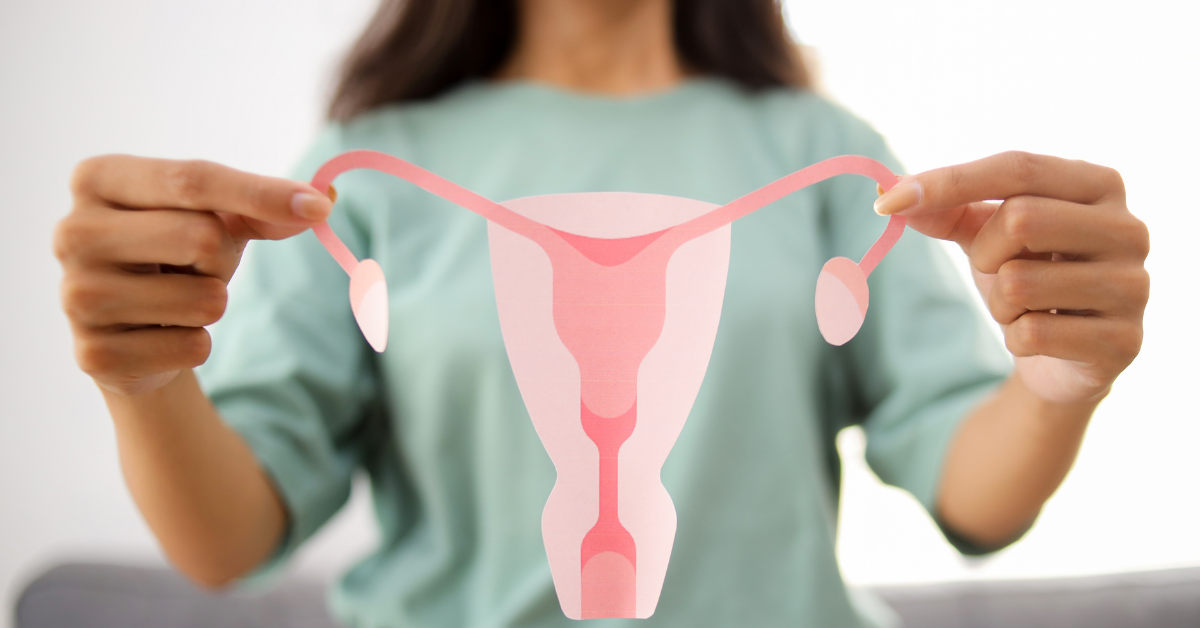
Is polycystic ovary syndrome an autoimmune disease?
Although autoimmune diseases have attracted much attention in the medical community due to their complexity and impact on patients' well-being, the debate continues as to whether PCOS is an autoimmune disease .
This contrasts sharply with diseases such as rheumatoid arthritis and type 1 diabetes, which are widely recognized as autoimmune diseases .
In this article, I will explore the relationship between polycystic ovary syndrome and autoimmune diseases from an endocrinologist's perspective, shedding light on why polycystic ovary syndrome is not usually considered an autoimmune disease .
What is PCOS (polycystic ovary syndrome)?
Polycystic ovary syndrome is a hormonal disorder that affects people with ovaries and often causes irregular menstrual cycles, cysts on the ovaries, and symptoms such as acne, hirsutism (excessive hair growth), and weight gain.
Although the exact cause of polycystic ovary syndrome is unknown, it is believed to involve a combination of genetic, environmental, and hormonal factors .
Women of reproductive age are the most affected by polycystic ovary syndrome, and it is estimated that up to 10% of this population may suffer from this condition.
What are autoimmune diseases?
Autoimmune diseases occur when the body's immune system mistakenly attacks its own tissues , causing inflammation and tissue damage.
Examples include rheumatoid arthritis, lupus, and multiple sclerosis.
In autoimmune diseases, the immune system fails to recognize certain cells or tissues as "self," generating an immune response against them.
Possible causes of autoimmune diseases
The causes of autoimmune diseases remain elusive. And researchers continue to investigate several potential factors that may lead to its development.
Although the exact cause is not yet fully understood, several theories have emerged that attempt to understand the complex nature of these disorders.
Some possible causes of autoimmune diseases include:
- Environmental triggering factors: Substances such as endocrine disruptors, cigarette smoke, air pollution (smog), pesticides, and pollutants can trigger immune system dysfunctions in susceptible individuals.
- Infectious agents: Viruses, bacteria, sexually transmitted diseases, and other microbes that inhabit our bodies have been proposed as possible triggers of autoimmune responses.
-
Genetic predisposition: Genetic factors play an important role in autoimmune diseases, and certain genetic variations increase susceptibility to these conditions.
It is not uncommon for autoimmune disorders to cluster in families, indicating a genetic component in their development.
These factors often interact in complex ways, leading to the development and progression of autoimmune diseases. .
While much remains to be discovered, understanding these potential underlying factors is crucial for improving strategies for diagnosing, treating, and preventing autoimmune disorders.
Commonalities between PCOS and autoimmune diseases
New research has provided evidence of a potential link between polycystic ovary syndrome (PCOS) and autoimmune diseases, raising questions about whether PCOS itself is an autoimmune disorder.
One autoimmune disease that has been frequently observed in women with PCOS is Hashimoto's thyroiditis. , a type of autoimmune thyroid disease characterized by chronic inflammation of the thyroid gland.
Studies suggest that Hashimoto's thyroiditis is three times more common in women with PCOS compared to those without the condition. This underscores the potential overlap between PCOS and autoimmune disorders.
The relationship between polycystic ovary syndrome and autoimmune diseases extends beyond thyroid disorders.
Polycystic ovary syndrome shares potential causes with autoimmune diseases:
- Family genes Certain genetic variations and familial clusters of PCOS cases suggest a genetic predisposition similar to autoimmune diseases.
- Hormonal imbalances The elevated androgen levels and low progesterone levels in polycystic ovary syndrome are accompanied by hormonal dysregulation observed in autoimmune diseases.
- Inflammation The pro-inflammatory responses and increased androgen levels observed in polycystic ovary syndrome reflect inflammatory processes involved in the development of autoimmune diseases.
- Insulin resistance Insulin resistance, a hallmark of polycystic ovary syndrome, shares associations with autoimmune disorders, particularly in cases of type B insulin resistance.
- Environmental factors Factors such as obesity and dietary influences contribute to both polycystic ovary syndrome and autoimmune diseases.
Is polycystic ovary syndrome an autoimmune disease?
Polycystic ovary syndrome is not usually classified as an autoimmune disease despite sharing some characteristics with autoimmune diseases , such as inflammation and immune system involvement.
Unlike autoimmune diseases, in which the immune system attacks specific tissues or organs, polycystic ovary syndrome is primarily characterized by hormonal imbalances and metabolic disturbances .
Furthermore, although autoimmune diseases often have identifiable biomarkers, PCOS lacks specific diagnostic criteria and is diagnosed based on a combination of symptoms and laboratory findings .
Does polycystic ovary syndrome weaken the immune system?
While polycystic ovary syndrome is not considered to directly weaken the immune system, Some aspects of the condition can indirectly affect immune function. .
It is observed that women with PCOS may have chronic low-grade inflammation which is believed to contribute to the development of insulin resistance, metabolic dysfunction, and cardiovascular risk factors associated with the condition.
This chronic inflammation could affect immune function, as the immune system can become dysregulated in response to ongoing inflammatory processes.
Besides, The hormonal imbalances observed in polycystic ovary syndrome, such as elevated levels of androgens (male hormones) and insulin resistance, can indirectly affect immune function. .
For example, insulin resistance has been linked to dysregulation of the immune system in some contexts.
However, It is important to keep in mind that the specific effects of polycystic ovary syndrome on immune function are still being studied and individual experiences may vary. .
General guidelines for the treatment of PCOS
The treatment for polycystic ovary syndrome aims to control symptoms and reduce the risk of long-term complications.
This may include lifestyle modifications, such as dietary changes , regular exercise, weight control, and medications to regulate menstrual cycles, reduce androgen levels, and improve insulin sensitivity.
In some cases, fertility treatments may be necessary for women trying to conceive.
Lifestyle adjustments to manage PCOS symptoms
In addition to medical treatment, lifestyle adjustments can play a crucial role in managing the symptoms of polycystic ovary syndrome .
These may include maintaining a balanced diet rich in fruits, vegetables, lean proteins and whole grains, while limiting processed foods and added sugars.
Regular physical activity can help improve insulin sensitivity and promote weight loss , which can relieve symptoms of polycystic ovary syndrome.
Stress management techniques, such as mindfulness, meditation, and relaxation exercises, can also be beneficial in reducing stress-related symptoms.
Risks of not treating PCOS
Not treating polycystic ovary syndrome can lead to several risks to your health and well-being. .
Some possible consequences of untreated polycystic ovary syndrome include:
- Infertility PCOS is a common cause of infertility due to irregular or absent ovulation. Without intervention, women with PCOS may have difficulty conceiving.
- Metabolic complications PCOS is often associated with insulin resistance, which can lead to type 2 diabetes if left untreated. Insulin resistance also increases the risk of developing metabolic syndrome, a cluster of conditions that includes high blood pressure, high blood sugar, excess body fat around the waist, and abnormal cholesterol or triglyceride levels, which increase the risk of heart disease and stroke.
- Weight gain and obesity Many women with PCOS experience weight gain or have difficulty losing weight. Untreated obesity can exacerbate PCOS symptoms and increase the risk of developing metabolic complications.
- Endometrial cancer Women with PCOS have a higher risk of developing endometrial hyperplasia, a thickening of the lining of the uterus, which can lead to endometrial cancer if left untreated.
- Cardiovascular disease Polycystic ovary syndrome is associated with an increased risk of cardiovascular disease, including heart attacks and strokes, particularly in women with insulin resistance and metabolic syndrome.
- Psychological effects Polycystic ovary syndrome can have a significant impact on a woman's mental health, leading to symptoms such as depression, anxiety, and low self-esteem, especially if the symptoms are not addressed.
If you have PCOS, it's important to receive regular medical care and work with healthcare providers to manage your symptoms. and reduce the risk of complications.
How Anzara Health can help you manage PCOS
We specialize in providing personalized care and support to people with PCOS .
Our team of experienced endocrinologists, nutritionists, and wellness coaches work together to develop personalized treatment plans tailored to each patient's unique needs.
From comprehensive medical assessments to lifestyle interventions and ongoing support , we are dedicated to helping you manage your polycystic ovary syndrome effectively and improve your overall health and well-being.
We are committed to empowering you to take control of your health and thrive despite the challenges of polycystic ovary syndrome.