
Article: The FDA Removes the Black Box Warning from Estrogen: What This Means for Menopause and Women’s Health
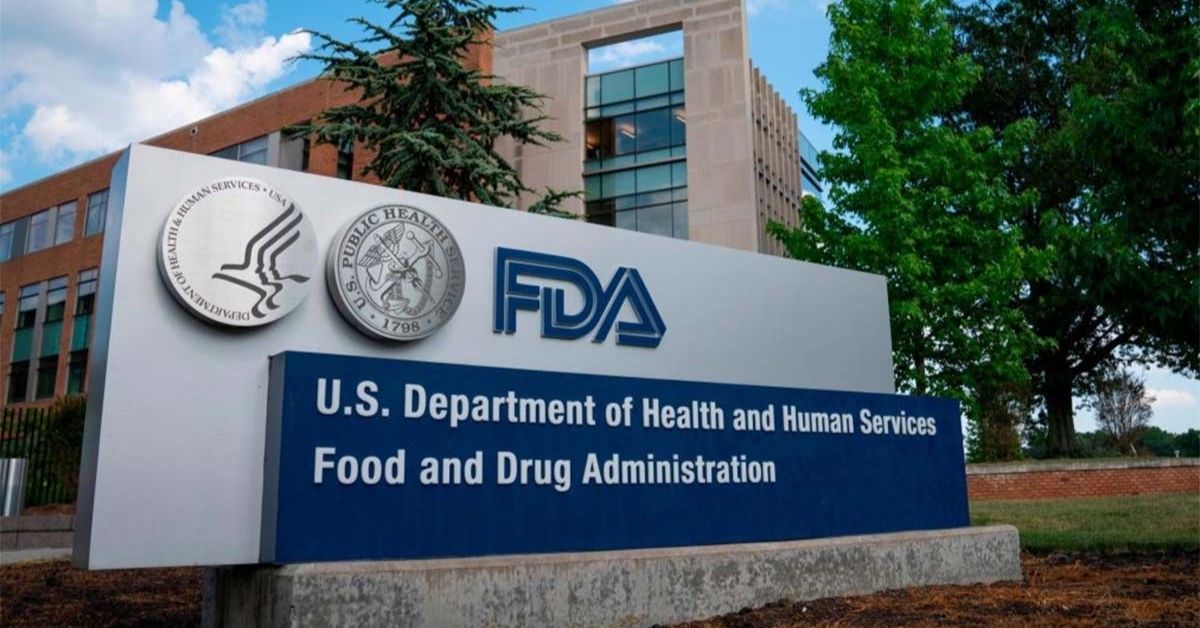
The FDA Removes the Black Box Warning from Estrogen: What This Means for Menopause and Women’s Health
The FDA Removes the Black Box Warning from Estrogen: What This Means for Menopause and Women’s Health
In a historic and long-awaited move, the FDA has removed the Black Box Warning from estrogen preparations used for menopause. This decision represents one of the most significant shifts in women’s health policy in the last two decades and reflects the accumulation of high-quality scientific evidence showing that estrogen and hormone therapy have been misunderstood—and often unfairly feared—since the early 2000s.
So, what exactly changed? Why did the FDA remove the Black Box Warning now? And what does this mean for women considering hormone replacement therapy (HRT) during menopause or perimenopause? Here is a complete, medically accurate explanation based on the most up-to-date evidence.
What Was the Black Box Warning on Estrogen?
A Black Box Warning is the most serious safety warning the FDA can place on a medication. Until recently, all estrogen preparations—even low-dose local vaginal estrogen that is barely absorbed—carried a bold warning stating that estrogen increased the risk of breast cancer, heart disease, stroke, and blood clots.
Every woman receiving estrogen for menopause saw this alarming message, regardless of her age, dose, route of administration, or individual risk factors.
The biggest issue?
The Black Box Warning was never supported by strong evidence against estrogen itself.
Where Did the Black Box Warning Come From? The WHI 2002 Study
The warning originated from the Women’s Health Initiative (WHI) study published in 2002, one of the most influential—and misunderstood—studies in the history of women’s health.
Key facts that were overlooked for years:
-
The WHI did not study bioidentical estradiol used today for menopause.
-
The WHI used conjugated equine estrogens (CEE) combined with medroxyprogesterone acetate (MPA)—a synthetic progestin, not natural progesterone.
-
The risks seen in 2002 were largely linked to the progestin, not the estrogen.
-
Women who received estrogen alone (those without a uterus) actually had a lower breast cancer risk compared to placebo.
Despite these nuances, the media portrayed estrogen as universally dangerous, and the FDA placed a blanket Black Box Warning on all estrogen products, regardless of formulation or route.
This fear forced millions of women to discontinue hormone therapy, often suffering unnecessary long-term health consequences including decreased bone density, worsening cardiovascular health, and reduced quality of life.
Why Did the FDA Remove the Black Box Warning Now?
With 22 years of additional research, the FDA re-evaluated the global scientific literature, including modern studies on transdermal estradiol, progesterone, and low-dose vaginal estrogen.
Their conclusions were clear:
1. There is no current evidence that physiologic doses of bioidentical estradiol increase breast cancer risk.
The breast cancer risk seen in WHI 2002 was associated with the synthetic progestin (MPA), not estrogen itself.
2. Modern hormone therapy is safer and more individualized.
Transdermal estradiol and micronized progesterone have significantly better safety profiles than the formulations studied in 2002.
3. The benefits of estrogen for menopause symptoms and long-term health are substantial.
Evidence shows that estrogen can:
-
Reduce hot flashes
-
Improve sleep and mood
-
Protect bone density
-
Support metabolic health
-
Improve genitourinary symptoms
-
Provide cardiovascular benefits in appropriately selected women
These findings made it clear that the Black Box Warning was outdated, inaccurate, and not aligned with current science.
As a result, the FDA officially removed the Black Box Warning from estrogen products.
Why This Decision Matters for Women’s Health
The removal of the Black Box Warning is not a minor regulatory update—it is a major step toward restoring evidence-based care for women in menopause and perimenopause.
1. It eliminates decades of unnecessary fear.
For years, women avoided hormone therapy due to fear of breast cancer—even when their actual risk was low.
This change signals clearly that estrogen is not the enemy.
2. It improves access to safe and effective treatment.
Millions of women with severe menopausal symptoms can now consider estradiol without the stigma or confusion created by an outdated warning label.
3. It aligns regulatory decisions with high-quality modern evidence.
The estradiol and progesterone used today are safer, more natural, and more physiologic than the therapies evaluated in 2002.
4. It highlights the long-term health benefits of estrogen.
Estrogen is not only symptom-relief; it supports long-term health:
-
Protects against osteoporosis
-
May reduce cardiovascular risk when started within the “window of opportunity”
-
May support cognitive function
-
Improves urogenital health and sexual function
The lack of estrogen, not estrogen itself, is associated with long-term health decline after menopause.
Is Hormone Therapy for Everyone?
No.
Hormone replacement therapy should always be personalized and supervised by a trained clinician.
Contraindications include:
-
History of estrogen-sensitive breast cancer
-
Untreated endometrial cancer
-
Active blood clots
-
Severe liver disease
But for most healthy women under 60, or within 10 years of menopause, the benefits of HRT outweigh the risks when prescribed appropriately.
What Does This Change Mean for You?
If you are experiencing:
-
hot flashes,
-
night sweats,
-
insomnia,
-
low libido,
-
vaginal dryness,
-
brain fog,
-
mood changes,
-
bone loss,
the FDA’s decision opens the door for a more evidence-based, personalized conversation about hormone therapy.
The removal of the Black Box Warning means you can discuss estrogen and estradiol with your physician without outdated fear dominating the conversation.
An Analogy to Understand This Change
For 22 years, women were told that estrogen was dangerous because of one study involving one type of hormone therapy used in one group of women.
It’s like banning all cars because one model had a faulty tire.
The FDA now recognizes that:
-
the problem was the progestin,
-
the population studied was older and higher-risk,
-
and today’s bioidentical estradiol and micronized progesterone are entirely different therapies with different outcomes.
This correction is overdue—and transformative.
Conclusion: A Milestone for Menopause Care
The FDA’s removal of the Black Box Warning from estrogen is a monumental victory for science-based medicine and for women everywhere.
It confirms what modern research has shown for years:
Estrogen, when used appropriately, is safe, effective, and essential for women’s health during and after menopause.
This change finally aligns regulation with reality—and gives women the clarity, confidence, and access to care they have needed for decades.